
Acknowledging a Need for Global Adolescent Health Professional Education
Adolescent Health Profiles
Adolescent Health Profiles

María del Carmen Calle Dávila,
President, IAAH
Our Mission
Our mission is to enhance individual competencies, national capacity, and global investment in adolescent health to meet the evolving needs of adolescents through an equity-focused and rights-based approach. We aim to catalyze local, regional, and international sustainable partnerships between multidisciplinary professionals who work with adolescents, the organizations that support them, and young people themselves.
How do you
support IAAH?
Help us build a global adolescent health community. Engage with IAAH by becoming a financial member, offering your expertise within a committee, attending our conferences, contributing to our newsletters, or making a donation.
Emerging Professionals Network
The Emerging Professionals Network (EPN) aims to build relationships between early career professionals and expert leaders in global adolescent health and provide diverse opportunities for early career professionals to further develop their knowledge, skills, and experiences in adolescent health.

Adolescent Health
In our World
Hover over your country or region and click to find out more about IAAH and adolescent health there.

Regional Map ( copy)
IAAH Caribbean Vice-Presidents
Risa Turetsky
North America
[email protected]
[email protected]
The IAAH North America region consists of two countries – Canada and the United States of America (USA). The total population of the region is estimated as 328 million in the USA and 38 million in Canada, of whom 12-13% (44 and 4 million, respectively) are adolescents and young adults.
North American countries are characterised as ‘NCD predominant’ by the Lancet Commission on Adolescent Health and Wellbeing. They have undergone demographic transition, characterized by low fertility, low mortality, and longer life expectancy. Challenges for adolescents and young adults include health risk behaviors predisposing to NCDs, such as smoking, obesity, alcohol and drug use, mental health, and injury.
Mauricio A. Scarpello
Latin America Vise-President
Latin America generally refers to territories in the Americas where the Spanish or Portuguese or French languages prevail: Mexico, most of Central and South America, and in the Caribbean, Cuba, Jamaica, the Dominican Republic, Haiti, and Puerto Rico. In IAAH, Latin America refers to the mainland continent countries of Central and South America, as the Caribbean forms a separate region which includes Latin American and other countries.
Challenges for adolescents and young adults in Latin America. Countries in the region are characterised as a mix of ‘Injury excess’ and ‘NCD burden predominant’ by the Lancet Commission on Adolescent Health and Wellbeing. The mortality rates for young men aged 20-24 are significant and constant over time. Top disease burden causes also include iron deficiency anaemia, skin diseases, mental health problems and asthma.
East Asia
The IAAH East Asian countries are China, Japan, Mongolia, North Korea, South Korea and Taiwan. China and Mongolia make up most of the land of East Asia. The Korean Peninsula extends off mainland China. Japan is an archipelago of volcanic islands, and Taiwan is an island off the east coast of China. There are 1.6billion people living in East Asia.
As Chinese civilization existed about 1,500 years before other East Asian civilizations emerged into history, Imperial China had much influence culturally, economically and politically on its neighbouring countries. Each country now speaks its own language, and carries its own unique culture. During the Cold War, The Korean peninsula was divided into two rival states, North and South Korea. In 1949, after losing control of mainland China in the Chinese Civil War, the Republic of China government withdrew to Taiwan. Taiwan is not a UN member now.
Countries in the East Asia region are characterised as a mix of ‘Injury excess’ and ‘NCD burden predominant’ by the Lancet Commission on Adolescent Health and Wellbeing. Three of the 4 top causes of mortality for adolescents in this region relate to injury – transport injuries (1), unintended injuries (2) and self-harm/interpersonal violence (4). The top disease producing burden in East Asia is mental health and substance use issues (17.6%), followed by NCDs (16.3%).
‘Strategic directions for improving adolescent health in South-East Asia Region (The 4S Framework)’ was developed by WHO in 2011:
- Strategic information: Improving the collection, analysis, interpretation and dissemination of data that are required for advocacy, policies and programmes
- Supportive policies: Synthesizing, disseminating and contributing to the evidence base for policies (and programmes) that have an impact on the health and development of adolescents
- Strengthening services: Increasing young people's access to, and use of appropriate health services and commodities that respond to a number of priority health conditions
- Strengthening collaboration with other sectors: Mobilizing and supporting other sectors to maximize their contributions to adolescent health and development, both what they can do to strengthen the health sector response and what the health sector can do to support their actions
There are a number of professional organisations with a keen interest in adolescent health in East Asia – regional and national paediatric societies, regional and national child and adolescent psychiatry organisations and 3 dedicated adolescent health organisations - The Child and Adolescent Health Section of the China Preventive Medicine Association, the Japan Society of Adolescentology, and the Taiwan Society for Adolescent Medicine and Health.
Melis Pehlivanturk-Kizilkan
Europe
[email protected]
[email protected]
The European continent contains over 50 countries, some of which act as a federation called the European Union EU. Different groupings of countries in Europe share language, history, religion and culture – the continent as a whole, however, shows much diversity.
Challenges for adolescents and young adults in Europe are many and varied. Most countries in the European region would be characterised as ‘NCD burden predominant’ by the Lancet Commission on Adolescent Health and Wellbeing. Health risk behaviours predisposing to NCDS, such as smoking and obesity, are widespread. Neglect and CSE risks resulting from significant migration into and around the region are also significant.
Melissa Kang
Oceania
Oceania comprises Australia, Aotearoa New Zealand and the Pacific Islands. In 2018, adolescents and young adults aged 10-24 comprise approximately a fifth of the population of Australia and New Zealand but this is higher in the Pacific Islands. Culturally, Australia and New Zealand have a shared history of resettlement from Europe and the tension between these settlers and their aboriginal people.
Australia and New Zealand are characterised as ‘NCD Predominant’ by the Lancet Commission on Adolescent Health and Wellbeing. Health concerns for the youth of Australia and New Zealand include obesity, smoking, excessive drinking and mental health problems.
Farnaz Sabet
Middle East / North Africa
The IAAH Middle East / North Africa (MENA) region comprises a sizeable swathe of the African and Asian continents, stretching from Mauritania on the West Coast of Africa through to Iran in the East and Somalia at its most Southern point. Turkey is the northern gateway between Europe and the MENA region. The total population of the region is estimated as 540 million, of whom over 100 million are adolescents and young adults.
Countries in the MENA region are diversely characterised as ‘Multi-burden’, ‘Injury Excess’ and ‘NCD Predominant’ by the Lancet Commission on Adolescent Health and Wellbeing. This reflects different stages of country development and the damage to the infrastructure of some previously thriving countries by prolonged armed conflict.
Adesola Olumide
Sub Saharan Africa
[email protected]
[email protected]
There are 54 sovereign countries recognised by the United Nations in Africa. Africa has a wildly diverse geographical terrain and a rich diversity of languages and ethnicities with an estimated 1250-3000 languages spoken across the continent. Africa has the highest proportion of young people among the continents of the world: adolescents constitute approximately 23% of the African population and the 2015 population of adolescents in Africa is expected to double by 2050.
Sub-Saharan African countries are considered “multi-burden” nations by the Lancet Commission on Adolescent Health and Wellbeing, characterised by a high burden of HIV and other sexual and reproductive health problems, infectious diseases, and nutritional deficiency. Cultural factors, low health literacy, poor health-seeking behavior - as well as inequitable availability of appropriate health services - are major contributory factors to poor adolescent health status in Africa. Commitment to the adolescent health agenda is low in most African countries.
Preeti Galagali
South Asia
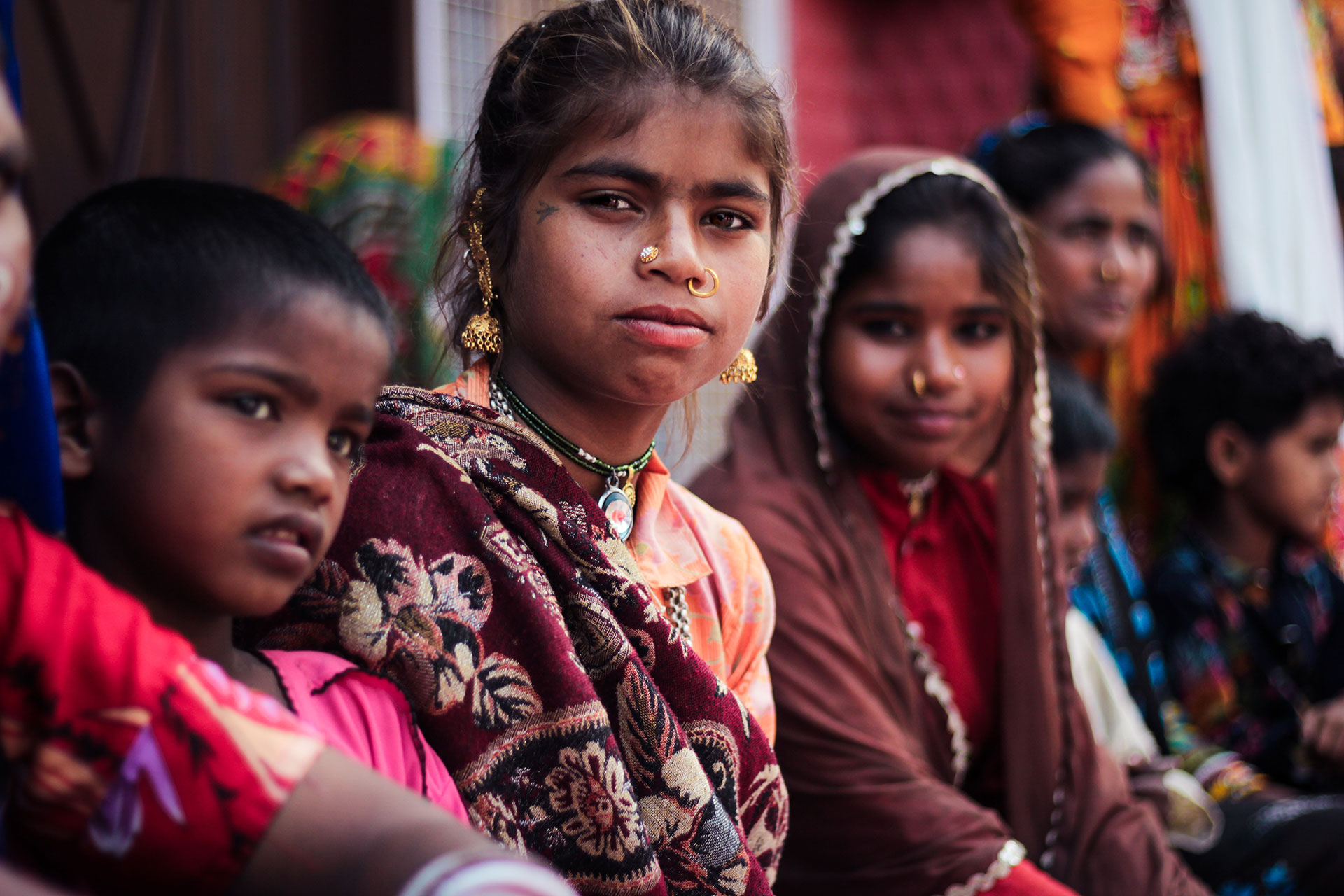
The IAAH South Asia region comprises a number of countries – Bangladesh, Bhutan, India, Maldives, Nepal, Pakistan, and Sri Lanka. Adolescents and young adults account for 19-25% of these countries’ total populations. These countries are characterised as ‘Multi-burden’ by the Lancet Commission on Adolescent Health and Wellbeing.
Challenges for South Asian adolescents and young adults are numerous. The main causes of mortality among adolescents aged 10-19 years are communicable diseases/nutritional conditions, NCDs and injuries/homicide. The causes for young men and young women are markedly different.
IAAH Caribbean Vice-Presidents
Risa Turetsky
North America
[email protected]
[email protected]
The IAAH North America region consists of two countries – Canada and the United States of America (USA). The total population of the region is estimated as 328 million in the USA and 38 million in Canada, of whom 12-13% (44 and 4 million, respectively) are adolescents and young adults.
North American countries are characterised as ‘NCD predominant’ by the Lancet Commission on Adolescent Health and Wellbeing. They have undergone demographic transition, characterized by low fertility, low mortality, and longer life expectancy. Challenges for adolescents and young adults include health risk behaviors predisposing to NCDs, such as smoking, obesity, alcohol and drug use, mental health, and injury.
Mauricio A. Scarpello
Latin America Vise-President
Latin America generally refers to territories in the Americas where the Spanish or Portuguese or French languages prevail: Mexico, most of Central and South America, and in the Caribbean, Cuba, Jamaica, the Dominican Republic, Haiti, and Puerto Rico. In IAAH, Latin America refers to the mainland continent countries of Central and South America, as the Caribbean forms a separate region which includes Latin American and other countries.
Challenges for adolescents and young adults in Latin America. Countries in the region are characterised as a mix of ‘Injury excess’ and ‘NCD burden predominant’ by the Lancet Commission on Adolescent Health and Wellbeing. The mortality rates for young men aged 20-24 are significant and constant over time. Top disease burden causes also include iron deficiency anaemia, skin diseases, mental health problems and asthma.
East Asia
The IAAH East Asian countries are China, Japan, Mongolia, North Korea, South Korea and Taiwan. China and Mongolia make up most of the land of East Asia. The Korean Peninsula extends off mainland China. Japan is an archipelago of volcanic islands, and Taiwan is an island off the east coast of China. There are 1.6billion people living in East Asia.
As Chinese civilization existed about 1,500 years before other East Asian civilizations emerged into history, Imperial China had much influence culturally, economically and politically on its neighbouring countries. Each country now speaks its own language, and carries its own unique culture. During the Cold War, The Korean peninsula was divided into two rival states, North and South Korea. In 1949, after losing control of mainland China in the Chinese Civil War, the Republic of China government withdrew to Taiwan. Taiwan is not a UN member now.
Countries in the East Asia region are characterised as a mix of ‘Injury excess’ and ‘NCD burden predominant’ by the Lancet Commission on Adolescent Health and Wellbeing. Three of the 4 top causes of mortality for adolescents in this region relate to injury – transport injuries (1), unintended injuries (2) and self-harm/interpersonal violence (4). The top disease producing burden in East Asia is mental health and substance use issues (17.6%), followed by NCDs (16.3%).
‘Strategic directions for improving adolescent health in South-East Asia Region (The 4S Framework)’ was developed by WHO in 2011:
- Strategic information: Improving the collection, analysis, interpretation and dissemination of data that are required for advocacy, policies and programmes
- Supportive policies: Synthesizing, disseminating and contributing to the evidence base for policies (and programmes) that have an impact on the health and development of adolescents
- Strengthening services: Increasing young people's access to, and use of appropriate health services and commodities that respond to a number of priority health conditions
- Strengthening collaboration with other sectors: Mobilizing and supporting other sectors to maximize their contributions to adolescent health and development, both what they can do to strengthen the health sector response and what the health sector can do to support their actions
There are a number of professional organisations with a keen interest in adolescent health in East Asia – regional and national paediatric societies, regional and national child and adolescent psychiatry organisations and 3 dedicated adolescent health organisations - The Child and Adolescent Health Section of the China Preventive Medicine Association, the Japan Society of Adolescentology, and the Taiwan Society for Adolescent Medicine and Health.
Melis Pehlivanturk-Kizilkan
Europe
[email protected]
[email protected]
The European continent contains over 50 countries, some of which act as a federation called the European Union EU. Different groupings of countries in Europe share language, history, religion and culture – the continent as a whole, however, shows much diversity.
Challenges for adolescents and young adults in Europe are many and varied. Most countries in the European region would be characterised as ‘NCD burden predominant’ by the Lancet Commission on Adolescent Health and Wellbeing. Health risk behaviours predisposing to NCDS, such as smoking and obesity, are widespread. Neglect and CSE risks resulting from significant migration into and around the region are also significant.
Melissa Kang
Oceania
Oceania comprises Australia, Aotearoa New Zealand and the Pacific Islands. In 2018, adolescents and young adults aged 10-24 comprise approximately a fifth of the population of Australia and New Zealand but this is higher in the Pacific Islands. Culturally, Australia and New Zealand have a shared history of resettlement from Europe and the tension between these settlers and their aboriginal people.
Australia and New Zealand are characterised as ‘NCD Predominant’ by the Lancet Commission on Adolescent Health and Wellbeing. Health concerns for the youth of Australia and New Zealand include obesity, smoking, excessive drinking and mental health problems.
Farnaz Sabet
Middle East / North Africa
The IAAH Middle East / North Africa (MENA) region comprises a sizeable swathe of the African and Asian continents, stretching from Mauritania on the West Coast of Africa through to Iran in the East and Somalia at its most Southern point. Turkey is the northern gateway between Europe and the MENA region. The total population of the region is estimated as 540 million, of whom over 100 million are adolescents and young adults.
Countries in the MENA region are diversely characterised as ‘Multi-burden’, ‘Injury Excess’ and ‘NCD Predominant’ by the Lancet Commission on Adolescent Health and Wellbeing. This reflects different stages of country development and the damage to the infrastructure of some previously thriving countries by prolonged armed conflict.
Adesola Olumide
Sub Saharan Africa
[email protected]
[email protected]
There are 54 sovereign countries recognised by the United Nations in Africa. Africa has a wildly diverse geographical terrain and a rich diversity of languages and ethnicities with an estimated 1250-3000 languages spoken across the continent. Africa has the highest proportion of young people among the continents of the world: adolescents constitute approximately 23% of the African population and the 2015 population of adolescents in Africa is expected to double by 2050.
Sub-Saharan African countries are considered “multi-burden” nations by the Lancet Commission on Adolescent Health and Wellbeing, characterised by a high burden of HIV and other sexual and reproductive health problems, infectious diseases, and nutritional deficiency. Cultural factors, low health literacy, poor health-seeking behavior - as well as inequitable availability of appropriate health services - are major contributory factors to poor adolescent health status in Africa. Commitment to the adolescent health agenda is low in most African countries.
Preeti Galagali
South Asia
The IAAH South Asia region comprises a number of countries – Bangladesh, Bhutan, India, Maldives, Nepal, Pakistan, and Sri Lanka. Adolescents and young adults account for 19-25% of these countries’ total populations. These countries are characterised as ‘Multi-burden’ by the Lancet Commission on Adolescent Health and Wellbeing.
Challenges for South Asian adolescents and young adults are numerous. The main causes of mortality among adolescents aged 10-19 years are communicable diseases/nutritional conditions, NCDs and injuries/homicide. The causes for young men and young women are markedly different.